
Adderall Information & Usage Guide
What is Attention Deficit Hyperactivity Disorder (ADHD)
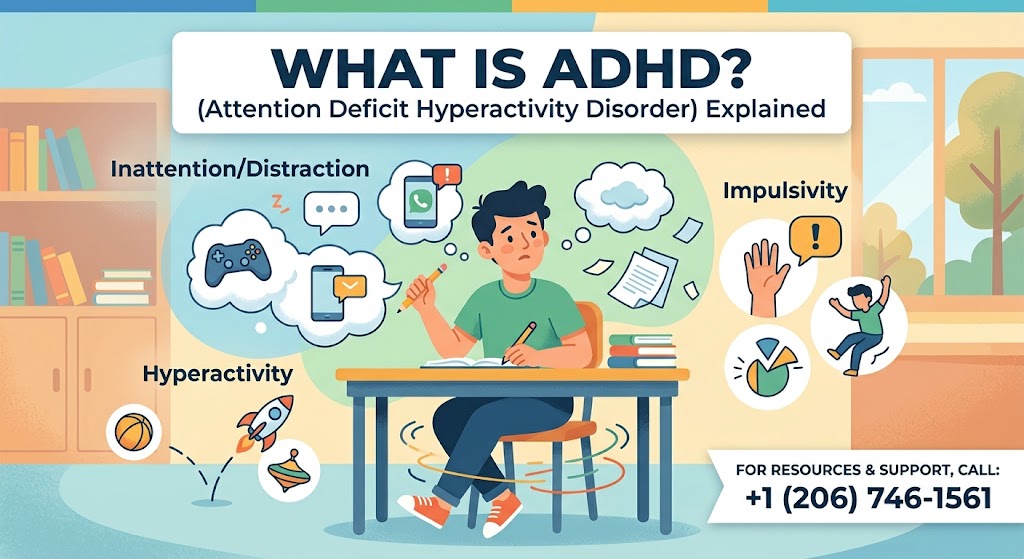
Apr
Attention Deficit Hyperactivity Disorder (ADHD) is a common neurodevelopmental condition that affects how the brain processes attention, movement, and impulse control. While it is often diagnosed during childhood, it is a lifelong condition that frequently continues into adulthood, requiring ongoing management and understanding.
The Three Main Presentations of ADHD
- Predominantly Inattentive: Difficulty organizing or finishing a task, paying attention to details, following instructions, or keeping track of conversations. (This was historically referred to as ADD).
- Predominantly Hyperactive-Impulsive: Struggling to sit still, talking excessively, interrupting others, being restless, and acting without thinking of consequences.
- Combined: A roughly equal mix of both inattentive and hyperactive-impulsive symptoms.
Common Signs and Symptoms of Adult and Childhood ADHD
- Chronic forgetfulness in daily activities or routines.
- Difficulty sustaining attention in work, study, or play.
- Fidgeting, tapping hands or feet, or squirming while seated.
- An inability to engage in leisure activities quietly.
- Frequently losing items necessary for tasks (e.g., keys, wallets, phones, glasses).
- Struggling with time management and chronic procrastination.
Effective Management and Treatment Approaches for ADHD
While ADHD has no definitive “cure,” it is a highly manageable condition. Treatment plans are uniquely tailored to the individual patient and often involve a comprehensive combination of the following strategies:
- Medication Management: Central nervous system stimulants (like amphetamine salts) and non-stimulants are frequently prescribed to help regulate brain chemistry, improve sustained focus, and reduce impulsive behaviors.
- Behavioral Therapy: Cognitive Behavioral Therapy (CBT) and specialized ADHD coaching help individuals develop practical coping mechanisms, organizational skills, and emotional regulation techniques.
- Lifestyle Adjustments: Maintaining consistent daily routines, engaging in regular cardiovascular exercise, prioritizing sleep hygiene, and utilizing physical tools like visual planners or smartphone alarms play a critical role in daily symptom management.
Patient Experiences: Living with and Managing ADHD
“Getting an official ADHD diagnosis in my 30s was a lightbulb moment. Combining Cognitive Behavioral Therapy with a structured routine has completely transformed how I handle my career and personal life.” – Sarah T.
“As a parent, learning about the hyperactive-impulsive presentation helped us understand our son better. With the right support system at school and home, his confidence has skyrocketed and he is thriving.” – Mark & Elena R.
Frequently Asked Questions About ADHD
Q: Can you outgrow ADHD?
A: While hyperactivity symptoms often decrease as children grow into adulthood, the core traits of ADHD (especially inattention) typically persist throughout a person’s life. However, many adults learn highly effective coping mechanisms to manage their symptoms successfully.
Q: Is ADHD just a lack of discipline or willpower?
A: No. ADHD is a recognized neurodevelopmental disorder with measurable differences in brain structure and dopamine regulation. It is a medical condition, not a result of poor parenting, laziness, or a lack of willpower.
Q: How is ADHD officially diagnosed?
A: There is no single medical, physical, or genetic test for ADHD. A diagnosis is made by a qualified healthcare professional (like a psychiatrist or neurologist) who gathers information from multiple sources, including clinical interviews, symptom checklists, and medical history.